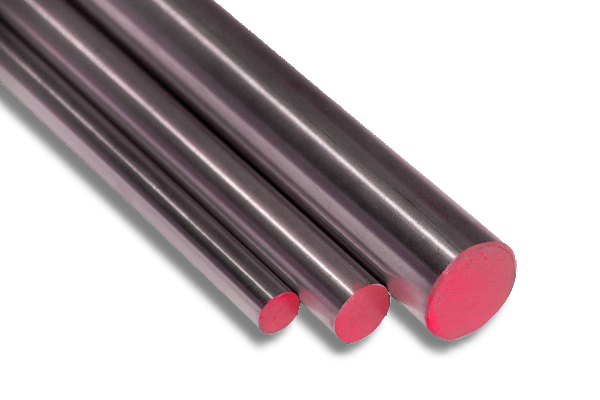
1.2363 is a high-carbon, high-chromium cold work tool steel known for its excellent wear resistance, high hardness, and good dimensional stability after heat treatment. It belongs to the group of chromium-based cold work steels, widely used in manufacturing tools and dies for cold forming, blanking, punching, and cold extrusion applications. Its alloy design emphasizes wear resistance through carbide precipitation, making it suitable for high-stress cold working environments.
Basic Information
Definition: 1.2363 is a cold work tool steel alloyed with high chromium and carbon, designed to achieve high hardness (up to 60–62 HRC after quenching and tempering) and wear resistance. It is primarily used for tools requiring resistance to abrasive wear and deformation under cold working conditions.
Key Characteristics: High hardness, excellent wear resistance, good hardenability, moderate toughness, and dimensional stability after heat treatment. It is often supplied in annealed condition (≤255 HB) for ease of machining before final heat treatment.
Application Positioning: Replaces traditional cold work steels in demanding applications such as cold stamping dies, blanking dies, thread rolling dies, cold extrusion molds, and wear parts in mechanical equipment.
Chemical Composition
The composition of 1.2363 is optimized for carbide formation (critical for wear resistance) and hardenability. Typical ranges are as follows:
Element Content Range Role Description
Carbon (C) 1.45–1.60% High carbon content promotes the formation of hard carbides (e.g., Cr₇C₃), enhancing wear resistance and providing a basis for high hardness.
Chromium (Cr) 11.00–12.50% The primary alloying element; forms chromium carbides to improve wear resistance and hardenability, while enhancing corrosion resistance (relative to low-chromium steels).
Molybdenum (Mo) 0.40–0.60% Refines grain structure, improves temper stability, and enhances toughness, reducing brittleness after quenching.
Vanadium (V) 0.15–0.30% Forms fine vanadium carbides, which refine grains, improve wear resistance, and enhance resistance to softening at elevated temperatures.
Silicon (Si) 0.10–0.40% Acts as a deoxidizer, improving steel purity, and slightly enhances strength.
Manganese (Mn) 0.10–0.40% Aids in deoxidation and improves hardenability, ensuring uniform hardness across sections.
Physical Properties
Density: ~7.80–7.85 g/cm³ (consistent with most high-chromium tool steels).
Thermal Conductivity: ~25–30 W/(m·K) at room temperature, lower than carbon steels due to high alloy content, requiring controlled cooling during heat treatment.
Coefficient of Thermal Expansion: ~10.5×10⁻⁶/°C (20–200°C), moderate expansion to maintain dimensional stability during heat treatment and cold working cycles.
Elastic Modulus: ~210 GPa at room temperature, ensuring rigidity in tools under high mechanical stress.
Mechanical Properties
1.2363 achieves its core performance after quenching and tempering, with properties tailored for cold work applications:
Property Typical Values (After Quenching & Tempering)
Hardness 60–62 HRC (optimal for wear resistance)
Tensile Strength (Rm) ≥2200 MPa
Yield Strength (Rp0.2) ≥1800 MPa
Impact Toughness (Akv) ~10–15 J (room temperature, lower toughness due to high hardness)
Wear Resistance Excellent (due to high volume of hard carbides)
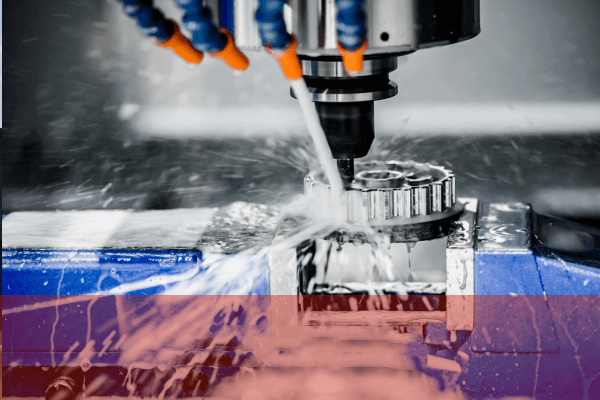
Machinability: Poor in the hardened state; supplied in annealed condition (≤255 HB) for machining (milling, turning, drilling) using high-speed steel or carbide tools.
Hardenability: Good, enabling uniform hardness in sections up to 50–60 mm when properly quenched (oil or air cooling).
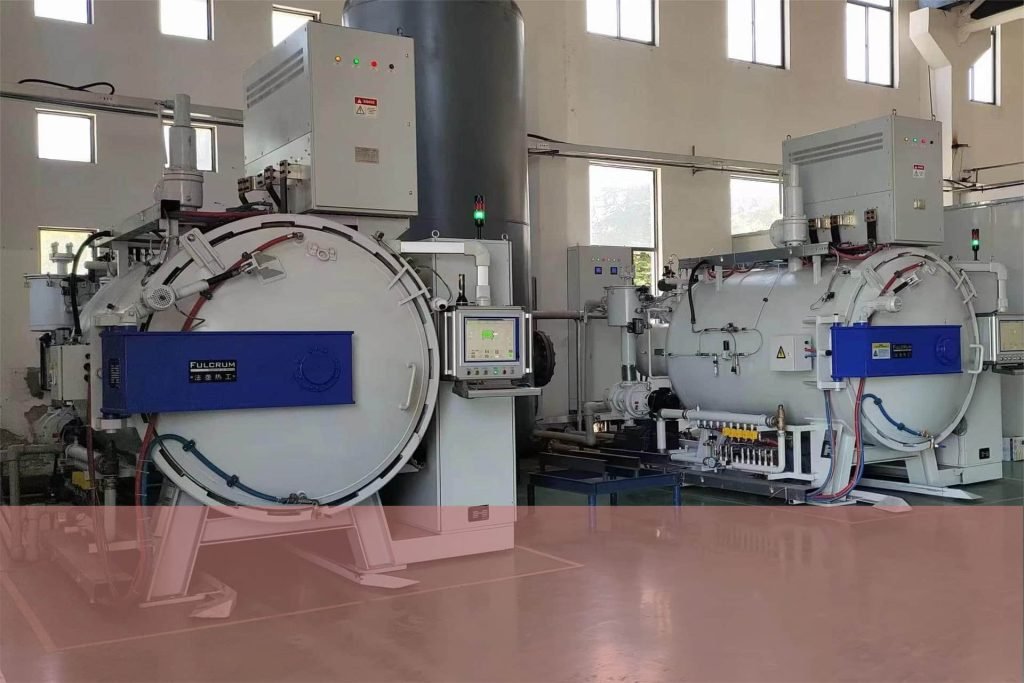
Heat Treatment Process
Heat treatment is critical for 1.2363 to achieve its high hardness and wear resistance. The typical process includes:
Annealing:
Purpose: Soften the steel for machining, reduce internal stress, and prepare for subsequent heat treatment.
Process: Heat to 800–850°C, hold for 2–4 hours, then cool slowly in the furnace to ≤500°C at a rate of ≤20°C/h, resulting in hardness ≤255 HB.
Quenching:
Purpose: Achieve high hardness by forming martensite.
Process: Heat to 950–1000°C (avoid overheating to prevent grain coarsening), hold for 20–30 minutes (depending on section thickness), then quench in oil or forced air.
Tempering:
Purpose: Reduce brittleness from quenching, stabilize dimensions, and adjust hardness.
Process: Temper at 150–200°C for 2–4 hours (double tempering recommended to eliminate retained austenite), resulting in hardness 60–62 HRC. Higher tempering temperatures (e.g., 250–300°C) reduce hardness slightly (to 58–60 HRC) but improve toughness.
Key Performance Advantages
Superior Wear Resistance:
High chromium and carbon content form a dense network of hard carbides (Cr₇C₃ and VC), which resist abrasive and adhesive wear in cold working processes like stamping and blanking.
High Hardness:
Achieves 60–62 HRC after heat treatment, ensuring the tool maintains sharp edges and shape under high contact stress.
Good Dimensional Stability:
Controlled heat treatment minimizes deformation, making it suitable for precision dies requiring tight tolerances.
Moderate Hardenability:
Can be hardened uniformly in medium-sized sections (up to 50–60 mm), expanding its application range beyond small tools.
Application Fields
1.2363 is widely used in cold work tooling and die manufacturing due to its wear resistance and hardness:
Cold Stamping Dies: Blanking dies, punching dies, and bending dies for metals (e.g., sheet steel, aluminum).
Thread Rolling Dies: Tools for rolling threads on bolts, screws, and fasteners, where wear resistance is critical for long service life.
Cold Extrusion Molds: Molds for cold extrusion of metal parts (e.g., gears, shafts), resisting high compressive stress and wear.
Wear Parts: Cutting blades, shear knives, and precision gauges requiring high hardness and wear resistance.
Comparison with Similar Cold Work Steels
Property/Material 1.2363 1.2080 (D3) 1.2379 (A2)
Hardness (HRC) 60–62 58–60 57–59
Wear Resistance Excellent Excellent Good
Toughness Moderate-Low Low Good
Hardenability Moderate Low (water quench) High
Corrosion Resistance Moderate Low Good
Ideal Applications Medium-Sized Cold Dies Small High-Wear Tools Large Cold Dies
Usage Notes
Machining: Always machine in the annealed state (≤255 HB); avoid machining after hardening due to extreme brittleness.
Heat Treatment: Strictly control quenching temperature (950–1000°C) to prevent grain coarsening, which reduces toughness. Use double tempering to minimize retained austenite and ensure dimensional stability.
Handling: Hardened 1.2363 is brittle; avoid impact loading to prevent chipping or cracking.
Corrosion Resistance: While better than low-chromium steels, it is not stainless—store in dry conditions and apply anti-rust coatings to prevent oxidation.
In summary, 1.2363 tool steel is a reliable choice for cold work applications demanding high wear resistance and hardness. Its balanced properties make it suitable for medium-sized dies and tools, where durability and precision are key requirements.