1.2367 Hot Mold Steel
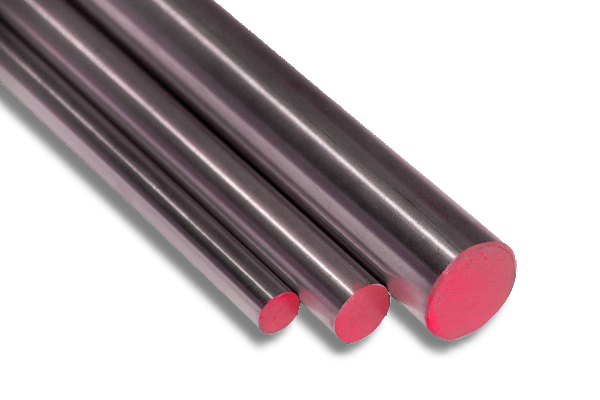
1.2367 is a premium chromium-tungsten-vanadium hot-work tool steel known for its exceptional heat resistance, high-temperature strength, and superior resistance to thermal fatigue. It is specifically engineered for demanding hot-work applications involving prolonged exposure to high temperatures and repeated thermal cycles, making it ideal for advanced die casting, hot forging, and extrusion processes.
Basic Information
Definition: 1.2367 is a high-alloy hot-work steel designed to maintain mechanical properties at temperatures up to 700–800°C. Its unique composition enhances resistance to heat checking, oxidation, and plastic deformation under extreme heat and pressure, outperforming many standard hot-work steels in severe environments.
Corresponding Standards: Defined by DIN (Germany) as 1.2367, it is part of the high-performance hot-work steel family. It is comparable to grades like AISI H21 (USA) but with enhanced alloying for superior high-temperature performance.
Key Characteristics: Excellent high-temperature strength, outstanding thermal fatigue resistance, good wear resistance at elevated temperatures, and high hardenability for thick sections.
Chemical Composition
1.2367’s composition is optimized for extreme hot-work conditions, with key elements as follows:
Element Content Range Role in the Steel
Carbon (C) 0.50–0.60% Provides a high base hardness and forms hard carbides (critical for wear resistance at high temperatures).
Chromium (Cr) 3.00–3.50% Enhances oxidation resistance, hardenability, and thermal stability; forms protective oxide layers at high temperatures.
Tungsten (W) 5.00–6.00% A key element for high-temperature strength; forms stable carbides that resist softening at elevated temperatures (up to 800°C).
Molybdenum (Mo) 1.00–1.50% Complements tungsten to improve high-temperature creep resistance and thermal conductivity.
Vanadium (V) 0.40–0.60% Refines grain structure, enhances toughness, and forms hard vanadium carbides for additional wear resistance.
Silicon (Si) 0.80–1.20% Improves oxidation resistance and strength at high temperatures; acts as a deoxidizer.
Manganese (Mn) 0.30–0.60% Enhances hardenability and machinability without compromising high-temperature performance.
Phosphorus (P) ≤0.030% Strictly controlled to avoid brittleness, especially under thermal stress.
Sulfur (S) ≤0.030% Minimized to prevent reduced toughness and hot cracking during processing.
Physical Properties
Density: Approximately 8.0–8.1 g/cm³ (slightly higher than standard hot-work steels due to tungsten content).
Melting Point: Around 1400–1450°C.
Thermal Conductivity: ~30–35 W/(m·K) at room temperature; maintains stable conductivity at high temperatures, aiding heat dissipation.
Coefficient of Thermal Expansion: ~10.5×10⁻⁶/°C (20–600°C), minimizing thermal distortion during cyclic heating/cooling.
Elastic Modulus: ~210 GPa at room temperature; retains ~75% of modulus at 700°C, ensuring structural stability under high heat.
Mechanical Properties
1.2367’s mechanical properties are optimized for extreme hot-work environments, with performance tailored to resist heat, wear, and fatigue:
Annealed State (for Machining)
Hardness: ≤250 HB (machinable with carbide tools, though higher alloy content increases cutting resistance).
Tensile Strength: ~750–850 MPa.
Elongation: ~15–18% (moderate ductility for pre-forming complex molds).
After Hardening + Tempering (for Hot-Work Applications)
Tempering Temperature Hardness Tensile Strength (at 20°C) High-Temp Strength (at 700°C) Impact Toughness (Charpy V-Notch)
550°C (1022°F) 50–54 HRC ~1800–2000 MPa ~1100–1200 MPa ~25–35 J
600°C (1112°F) 47–50 HRC ~1600–1800 MPa ~1000–1100 MPa ~35–45 J
650°C (1202°F) 43–47 HRC ~1400–1600 MPa ~900–1000 MPa ~45–55 J
Thermal Fatigue Resistance: Superior to many hot-work steels—resists microcracking from repeated heating/cooling cycles, critical for long die life.
Wear Resistance: Excellent at high temperatures, due to tungsten and vanadium carbides, ensuring durability in abrasive environments.
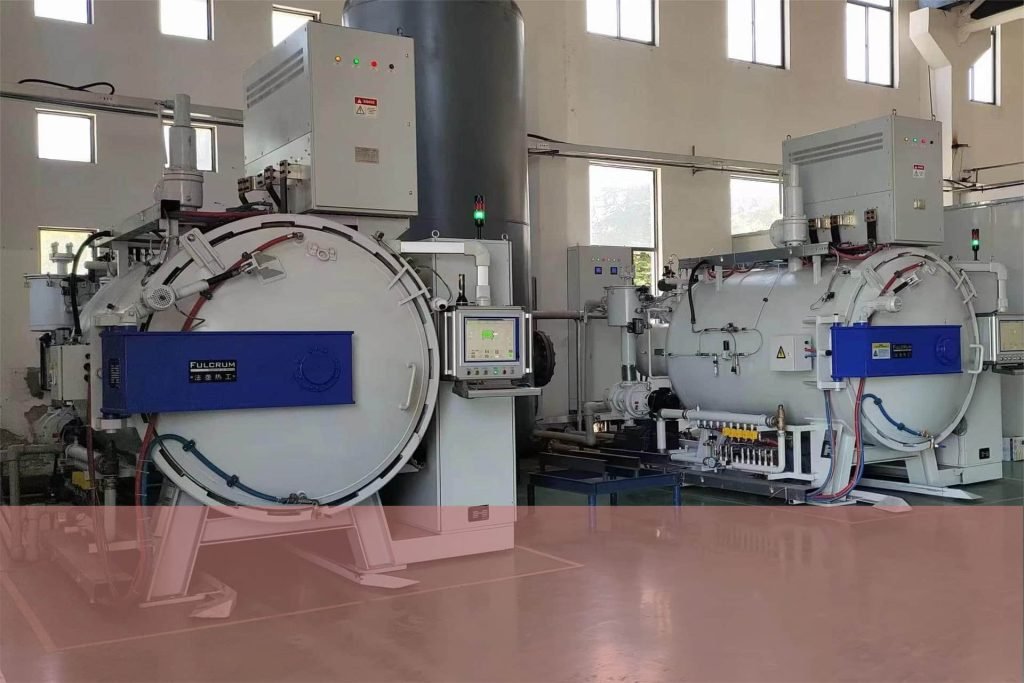
Heat Treatment Process
Proper heat treatment is critical to maximize 1.2367’s performance in extreme hot-work conditions:
Annealing
Purpose: Soften the steel for machining and ensure a uniform microstructure.
Process: Heat to 850–880°C, hold for 3–4 hours, then cool slowly (≤20°C/hour) to 500°C, followed by air cooling. Results in hardness ≤250 HB with spheroidal carbides.
Austenitizing (Heating for Hardening)
Temperature: 1050–1100°C (1922–2012°F).
Hold Time: 30–60 minutes (depending on part thickness) to dissolve carbides and form uniform austenite.
Quenching
Cooling Medium: Oil quenching (preferred) to ensure full hardening while minimizing distortion.
Result: As-quenched hardness of 55–58 HRC, with a martensitic microstructure.
Tempering
Temperature Range: 550–650°C (1022–1202°F), with holding time of 2–4 hours (double tempering required to eliminate retained austenite and reduce internal stress).
Effect: Optimizes high-temperature strength, toughness, and resistance to thermal fatigue. Higher tempering temperatures prioritize toughness and heat resistance over maximum hardness.
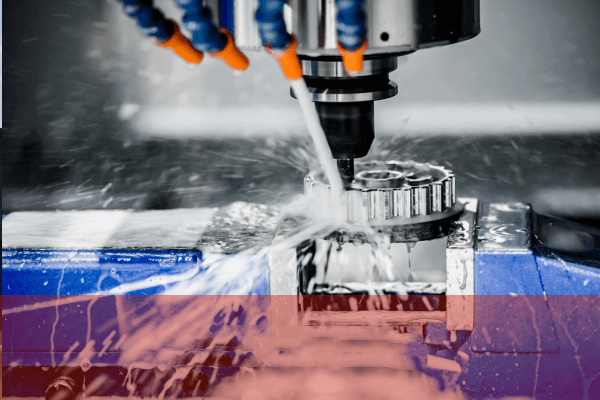
Processing Performance
Machinability: Moderate in the annealed state (≤250 HB). Tungsten carbides increase cutting resistance, so carbide tools with sharp edges and low cutting speeds are recommended.
Weldability: Poor—high alloy content makes it prone to cracking. Welding is generally limited to repair, requiring preheating (400–500°C) and post-weld tempering.
Formability: Limited cold formability due to higher strength in the annealed state. Hot forming is possible at 1050–1150°C, followed by annealing to restore machinability.
EDM Performance: Good—produces a smooth recast layer with minimal cracking, suitable for intricate mold details like cooling channels.
Application Fields
1.2367 is the material of choice for extreme hot-work applications where conventional hot-work steels fail to perform:
Advanced Die Casting:
Molds for high-temperature alloys (e.g., copper, brass) and large aluminum die castings (withstands prolonged exposure to molten metal).
Core inserts and die components in high-pressure die casting (HPDC) systems.
Hot Forging & Extrusion:
Forging dies for high-strength alloys (e.g., titanium, nickel-based superalloys) and large steel components.
Extrusion dies for metals requiring high extrusion temperatures (e.g., stainless steel, heat-resistant alloys).
High-Temperature Forming:
Tools for hot stamping of high-strength steel (e.g., automotive crash components) and glass molding at elevated temperatures.
Specialized Industrial Tools:
Furnace parts, hot shear blades, and rolling mill rolls for high-temperature metal processing.
In summary, 1.2367 hot mold steel stands out in extreme hot-work environments, offering superior high-temperature strength, thermal fatigue resistance, and wear resistance. Its unique alloying (particularly tungsten) makes it indispensable for applications where conventional hot-work steels cannot meet performance demands.