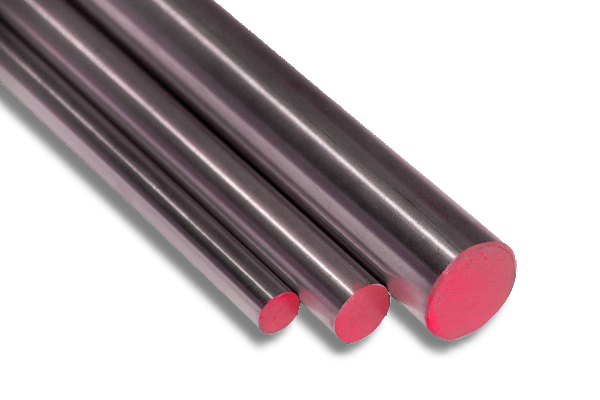

SKD11 mold steel is a high carbon and high chromium alloy tool steel, and the synergistic effect of molybdenum and vanadium in its chemical composition significantly improves material properties. This steel grade can achieve high hardness and excellent wear resistance after quenching, while maintaining a moderate level of toughness. Through a special heat treatment process, the distribution of carbides in its metallographic structure is more uniform, effectively avoiding stress concentration.
In the field of cutting, the tools manufactured by SKD11 exhibit stable edge retention under continuous cutting conditions. In the application scenario of cold work molds, this material has a particularly outstanding ability to resist metal particle wear, and is particularly suitable for precision forming conditions such as precision stamping dies and stretching dies. Some manufacturers have increased the conversion rate of residual austenite to over 98% and further improved the dimensional stability of molds by adding cryogenic treatment processes.
The heat treatment process has a decisive impact on the performance of SKD11. The preheating stage requires the use of a step heating method, and the quenching temperature is usually controlled within the range of 1020-1050 ℃. During the tempering process, attention should be paid to the phenomenon of secondary hardening. When tempered at around 500 ℃, the material hardness can rise to above 60HRC. Reasonable surface treatment can extend the service life of molds, and physical vapor deposition titanium nitride coating can achieve a surface hardness of 2400HV.
Frequently Asked Questions and Answers
Q: What are the main differences in performance between SKD11 and DC53 materials?
Answer: DC53 improves its impact toughness by about 30% compared to SKD11 while maintaining the same wear resistance by optimizing the distribution of carbides. It is more suitable for mold working conditions that can withstand larger impact loads.
Q: Why is it easy to crack during SKD11 wire cutting processing?
Answer: Residual austenite inside the material undergoes phase transformation under the influence of electrical discharge machining heat, resulting in local tensile stress concentration. It is recommended to conduct sufficient annealing treatment before processing and immediately carry out stress relief tempering after processing.